
Navigating Airspace Restrictions During Global Events
Global events such as international summits, sporting tournaments, diplomatic gatherings, and high-security political meetings bring prestige to host countries—but they also introduce significant operational complexity for aviation stakeholders.
During these periods, governments often impose temporary airspace restrictions to ensure safety, manage congestion, and maintain national security. For flight operators, these restrictions can affect routing, permits, fuel planning, airport slots, and overall operational cost.
Understanding how to manage these temporary limitations has become an essential part of modern flight operations planning.
Why Airspace Restrictions Are Implemented
When a country hosts a high-profile event, airspace control becomes a security priority. Authorities aim to prevent unauthorized aircraft access while ensuring the safe movement of VIP delegations and increased commercial traffic.
These restrictions are not arbitrary. They are carefully structured based on:
- Threat assessments
- Expected air traffic volume
- Military coordination
- Diplomatic security requirements
For operators, this means flight planning must adapt quickly to updated regulations and notices.
Types of Airspace Restrictions You May Encounter
Airspace control during global events typically falls into structured categories. Understanding them helps operators plan efficiently.
- Temporary Flight Restrictions (TFRs): Short-term restrictions around event venues.
- No-Fly Zones: Complete prohibition of civilian aircraft in designated areas.
- Altitude Restrictions: Flights may be allowed, but at controlled altitudes.
- VIP Movement Closures: Temporary airspace suspension during official arrivals or departures.
Each type of restriction carries different operational implications and compliance requirements.
Impact on Flight Routing and Scheduling
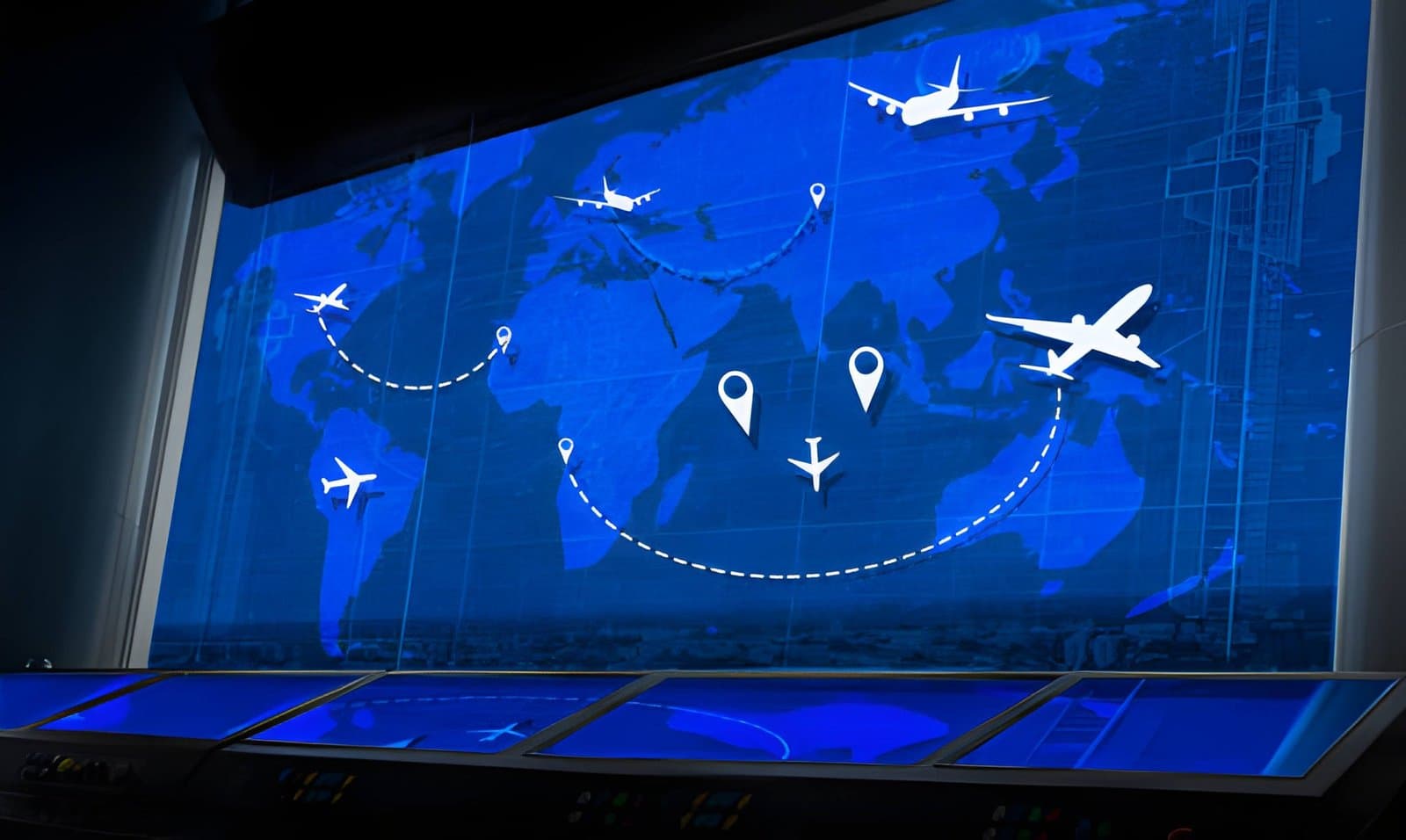
One of the most immediate effects of airspace restrictions is route adjustment. Aircraft may need to avoid restricted zones, leading to longer flight paths and additional coordination with air traffic control.
Even a minor rerouting can impact total flight time and crew duty limits. In high-traffic periods, holding patterns and slot delays further complicate scheduling. For commercial airlines and private operators alike, flexibility becomes essential.
Fuel Planning Adjustments
Rerouted flights naturally consume more fuel. During major events, fuel planning becomes more dynamic and calculated.
Operators must consider:
- Extra contingency fuel
- Alternate airport options
- Holding fuel for congestion
- Technical stop planning if required
Carrying additional fuel ensures safety but increases aircraft weight, which also impacts consumption. Precision in fuel calculation is critical during restricted airspace operations.
Airport Slot Challenges During Major Events
Global events attract increased passenger and business aviation traffic. Nearby airports often operate at or near capacity.
This results in:
- Limited landing and departure slot availability
- Strict adherence to approved timings
- Reduced parking space
- Higher ground handling demand
Slot approvals must be secured well in advance. Last-minute adjustments become difficult during peak event periods.
Permit Complexity and Regulatory Coordination
During high-profile events, aviation authorities may introduce additional permit scrutiny. Overflight and landing permits might require extended processing times or enhanced documentation review.
In some cases, authorities may request:
- Detailed passenger manifests
- Aircraft documentation revalidation
- Diplomatic clearances
- Security declarations
Advance submission and continuous follow-up with authorities significantly reduce approval delays.
The Role of NOTAM Monitoring
NOTAMs (Notices to Airmen) are critical during global events. These official notices communicate temporary changes in airspace, runway availability, and operational procedures.
Flight planning teams must:
- Monitor NOTAM updates daily
- Interpret geographic coordinates accurately
- Confirm crew briefings reflect the latest changes
- Adjust flight paths immediately if required
Ignoring or misinterpreting NOTAMs can result in heavy penalties or forced diversions.
Business Aviation vs Commercial Airline Impact
Commercial airlines usually operate on fixed route networks, allowing some degree of pre-planned adjustment. Business aviation, however, often works on short-notice scheduling, making restrictions more challenging.
Private operators may face:
- Parking limitations at event airports
- Higher fuel demand and limited supply
- Strict arrival/departure windows
- Increased security screening
Early coordination becomes even more important for business aviation flights.
Financial Implications of Restricted Airspace
Airspace restrictions do not only affect scheduling — they directly influence operational costs.
Cost impacts may include:
- Increased fuel burn
- Higher overflight fees
- Slot penalty charges
- Additional crew hours
- Extended ground handling expenses
Even minor rerouting can shift the financial balance of a flight operation. Cost forecasting during global events must account for multiple variables.
Strategic Planning Before Major Events
Proactive preparation reduces operational risk. Successful operators begin planning weeks before major global events.
Key preparation steps include:
- Tracking global event calendars
- Reviewing preliminary aviation advisories
- Securing slots early
- Preparing alternate route scenarios
- Coordinating closely with local partners
Advanced planning ensures smoother approvals and minimizes last-minute disruptions.
Technology and Predictive Planning Tools
Modern flight planning software has become indispensable during restricted airspace periods. These systems integrate real-time data, weather forecasts, and airspace notices to simulate routing options instantly.
With predictive analytics, operators can compare:
- Route time differences
- Fuel consumption variations
- Cost implications
- Congestion probability
Data-driven planning significantly reduces uncertainty during global events.
Crew Coordination and Communication
Clear communication between dispatch teams and cockpit crews is essential. Pilots must be briefed thoroughly on:
- Updated routing
- Restricted zones
- Alternate airport options
- Expected delays
Strong coordination ensures operational safety and compliance with temporary regulations.
Increasing Frequency of Airspace Restrictions
In today's geopolitical climate, airspace restrictions are becoming more common. Beyond global events, operators now face limitations due to:
- Military exercises
- Diplomatic tensions
- Climate summits
- International security alerts
Conclusion
Navigating airspace restrictions during global events requires preparation, flexibility, and precision. While these temporary changes can increase complexity, strategic planning and real-time monitoring allow operators to maintain safe and efficient operations.
In today's aviation environment, success depends not just on reaching a destination, but on anticipating regulatory shifts and adapting quickly to them.
Proactive coordination, intelligent routing, and early approvals transform potential disruption into controlled execution.