

How to Choose the Right Aviation Ground Support in India?
In aviation, what happens on the ground is just as important as what happens in the air. Efficient aviation ground support ensures smooth turnarounds, passenger comfort, aircraft safety, regulatory compliance, and operational profitability. In a dynamic and fast-growing aviation market like India, choosing the right aviation ground support partner is not just a vendor decision—it is a strategic business move.
With increasing airport traffic, stricter regulatory oversight, and rising passenger expectations, airlines, charter operators, cargo companies, and private jet owners must work with a ground handling partner that combines reliability, speed, compliance, and professionalism.
This guide breaks down how to choose the right aviation ground support in India, what factors truly matter, and how the right partner can protect both your aircraft and your reputation.
Why Ground Support Matters
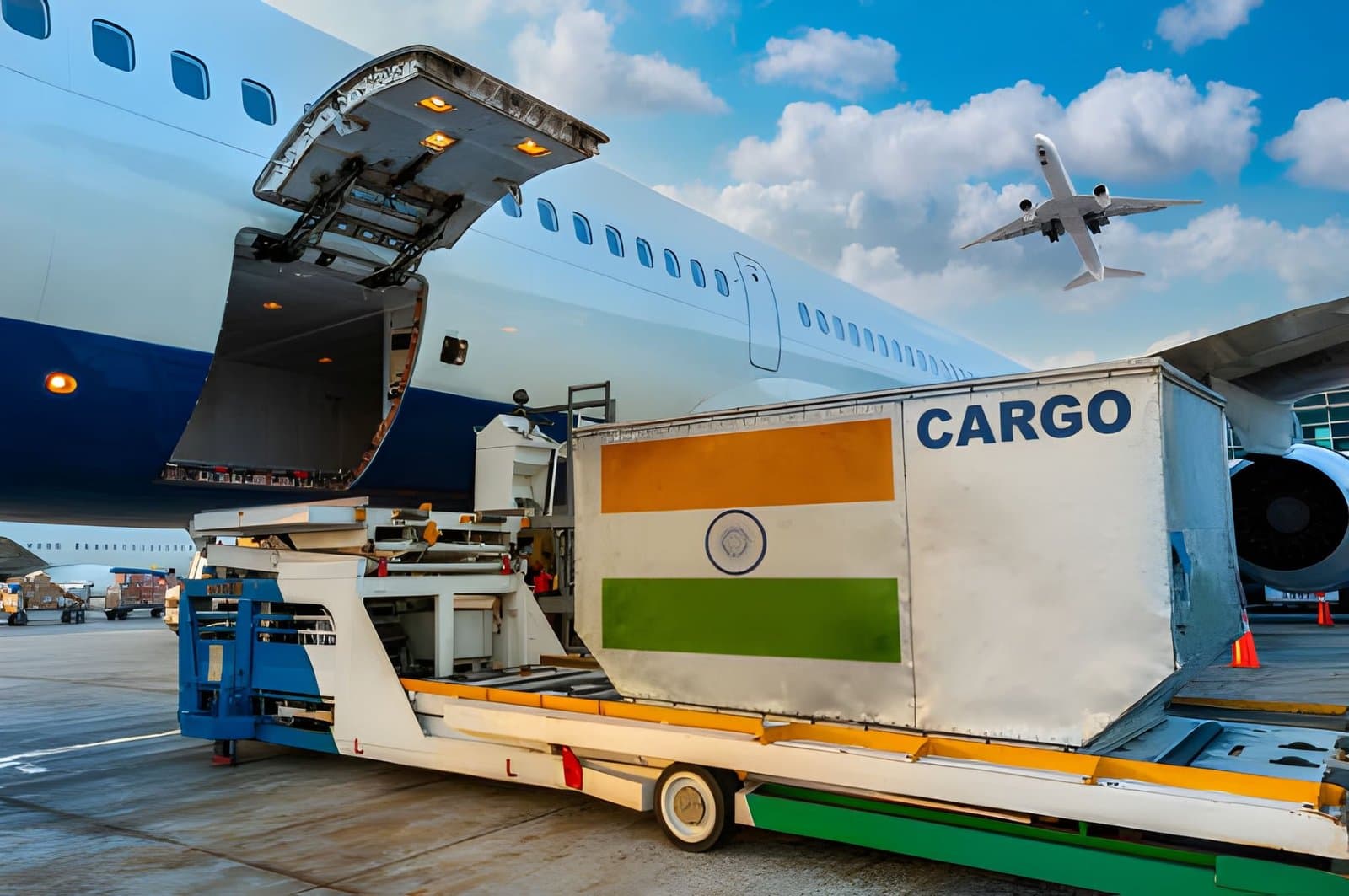
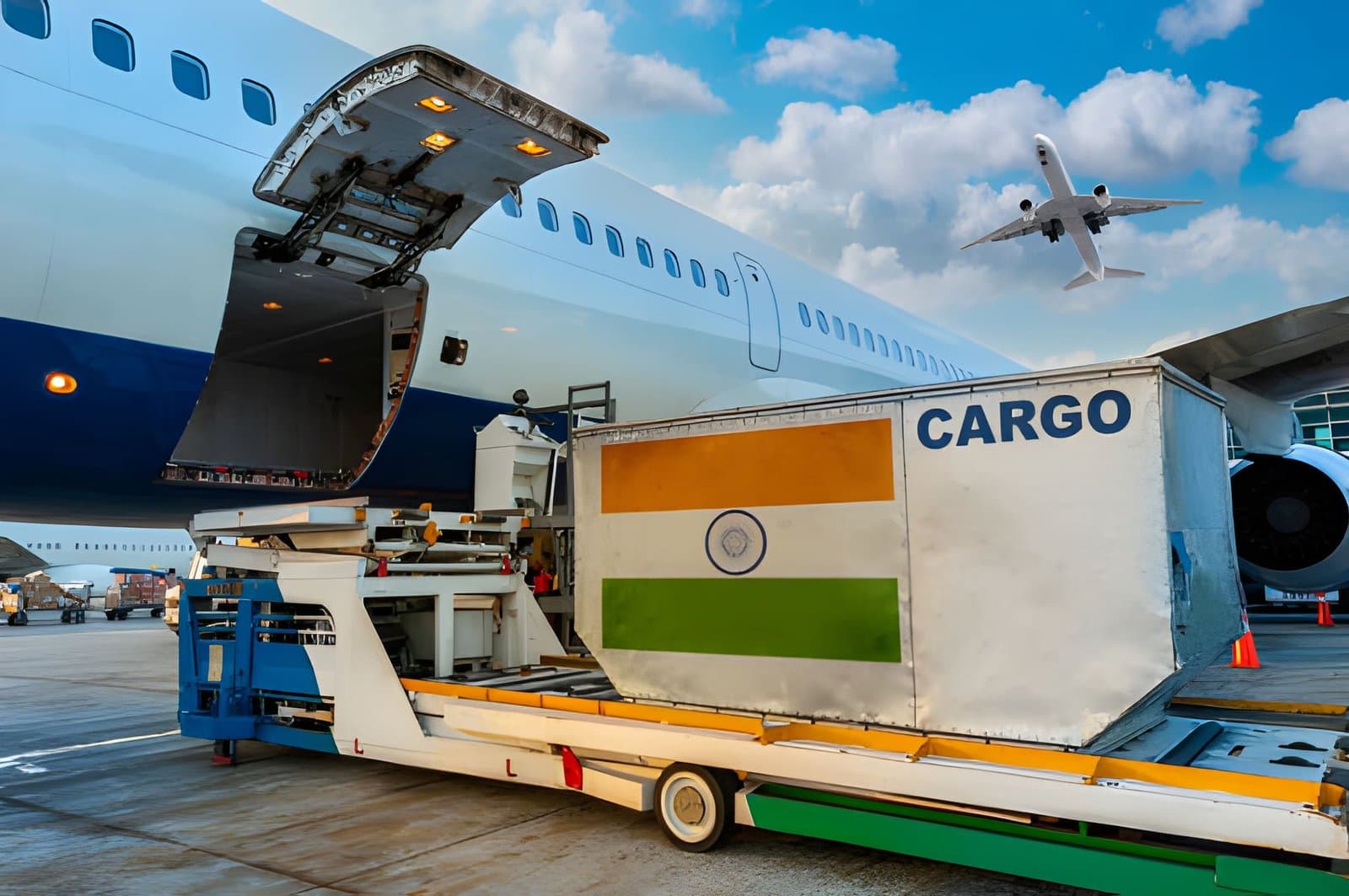
Aviation ground support includes everything that happens from the moment an aircraft lands until it takes off again. This includes:
- Aircraft marshaling and parking
- Passenger handling
- Baggage coordination
- Refueling coordination
- Ramp service
- Cargo handling
- Crew assistance
- Documentation and permit
- Security coordination
- Aircraft cleaning and technical support
Even a small delay in any of these areas can affect slot timings, increase operational costs, and impact passenger satisfaction.
In India's busy aviation hubs like Delhi, Mumbai, Hyderabad, Bengaluru, and Chennai, turnaround efficiency is critical. That is why selecting the right aviation ground support provider is not optional—it is essential.
Understand Your Operational Needs
Before choosing a partner, clearly define your requirements.
Ask yourself:
- Are you a commercial airline, charter operator, cargo operator, or private jet service?
- Do you require pan-India coverage or only specific airports?
- Do you operate domestic, international, or both?
- How frequent are your flights?
- Do you require VIP handling services?
- Do you need technical coordination support?
A cargo operator's needs are very different from those of a luxury charter service. Similarly, a private jet operator will prioritize discretion and speed, while a commercial airline may prioritize cost-efficiency and scalability.
Clarity at this stage prevents future operational mismatches.
Check Airport Coverage
India has more than 140 operational airports, and coverage varies significantly among ground support companies.
When selecting aviation ground support in India, verify:
- Which airports are they licensed to operate in
- Whether they have in-house teams or subcontractors
- Their presence at Tier-2 and Tier-3 airports
- Their experience in high-traffic metro airports
Consistency across airports is important. If you operate multi-city routes, working with a partner that offers standardized service levels across locations reduces coordination stress.
Regulatory Compliance Is Non-Negotiable
Indian aviation is governed by the Directorate General of Civil Aviation (DGCA) and other airport authorities. Non-compliance can result in fines, grounding, or serious operational disruption.
Ensure your aviation ground support partner:
- Holds valid licenses and approvals
- Complies with DGCA regulations
- Follows airport authority SOPs
- Maintains safety certifications
- Conducts regular staff training
A compliant partner protects you from legal exposure and operational risk.
Safety First, Always
Ground handling errors can damage aircraft, injure personnel, and delay flights. When evaluating a ground support partner, review:
- Their safety record
- Incident reporting systems
- Insurance coverage
- Equipment maintenance logs
- Staff training programs
A professional aviation ground support company invests heavily in safety culture. They conduct frequent audits, refresher training, and equipment checks.
In aviation, shortcuts are expensive. Safety must never be compromised for cost.
Equipment Quality and Readiness
Modern aircraft require specialized ground support equipment (GSE). This includes:
- Ground power units (GPU)
- Air start units
- Tow tractors
- Belt loaders
- Passenger stairs
- De-icing equipment (in specific regions)
- Cargo loaders
Ask the provider:
- Is the equipment owned or leased?
- How often is it maintained?
- Is backup equipment available?
- Is the equipment compatible with your aircraft type?
Operational disruptions often occur due to poor equipment maintenance. A reliable partner ensures equipment readiness at all times.
Staff Expertise and Professionalism
Ground staff represent your brand on the runway and inside the terminal.
Evaluate:
- Training standards
- Language proficiency
- Grooming and professionalism
- Experience with international carriers
- Experience with business jets and VIP flights
For charter and VIP operators, discretion and service etiquette are extremely important.
Professional staff reduce miscommunication and enhance passenger experience.
Speed and Turnaround Efficiency
Turnaround time directly impacts profitability.
Delayed departures increase:
- Airport parking charges
- Fuel costs
- Crew overtime
- Slot penalties
- Passenger dissatisfaction
Ask potential partners about:
- Average turnaround time
- Performance metrics
- Coordination systems
- Crisis response protocol
Data-driven companies track their performance and continuously improve turnaround efficiency.
Transparency in Pricing
Cost matters—but clarity matters more.
When reviewing proposals, ensure pricing includes:
- Ramp services
- Passenger handling
- Equipment usage
- Night charges
- Overtime charges
- Special service fees
- Airport coordination fees
Avoid partners who provide vague estimates. Hidden costs often appear later.
A transparent aviation ground support partner provides clear cost breakdowns upfront.
Technology and Coordination Systems
Modern aviation operations rely on digital coordination.
Look for partners that use:
- Real-time flight tracking
- Digital documentation systems
- Automated communication tools
- Flight planning coordination support
- Online reporting dashboards
Technology improves accuracy and reduces communication errors.
Reputation and Industry Presence
Experience matters.
Research:
- Client testimonials
- Industry partnerships
- Years in operation
- Repeat clients
- International airline experience
A well-established aviation ground support company in India typically has a stable operational network and crisis management experience.
Emergency Handling Capability
Weather disruptions, technical delays, airspace congestion, and unexpected diversions are common in aviation.
Your ground partner should be capable of:
- Quick diversion handling
- Emergency crew coordination
- Rapid equipment mobilization
- VIP last-minute adjustments
- Handling AOG (Aircraft on Ground) situations
Their response speed during crises often defines their true capability.
Communication and Accountability
One of the most overlooked factors in choosing aviation ground support in India is communication clarity.
Ensure:
- A single point of contact
- 24/7 operational support
- Escalation matrix
- Real-time updates
- Clear reporting structure
Poor communication causes operational chaos. Clear accountability prevents confusion.
Long-Term Partnership Value
Instead of selecting based purely on cost, evaluate long-term strategic value:
- Can they scale with your growth?
- Can they support fleet expansion?
- Can they handle new airport routes?
- Do they provide advisory support?
A good aviation ground support partner acts as an operational extension of your airline or aviation business.
How Does Freedom Air Help You?
Freedom Air Services stands out as a trusted aviation ground support partner in India by combining operational expertise, regulatory compliance, and personalized service.
Here's how Freedom Air supports aviation operators:
1. Pan-India Network
Freedom Air offers coordinated ground handling solutions across major and emerging airports in India, ensuring consistent service quality.
2. Compliance-Driven Operations
All services are aligned with DGCA regulations and airport authority standards, reducing compliance risk for operators.
3. Experienced Team
The team consists of trained professionals with hands-on experience in commercial aviation, private jets, cargo handling, and VIP movements.
4. Fast Turnaround Focus
Freedom Air prioritizes operational speed without compromising safety, helping operators minimize ground time.
5. Transparent Costing
Clear pricing structures eliminate hidden charges and support predictable budgeting.
6. 24/7 Support
Round-the-clock operational assistance ensures readiness for diversions, emergency landings, and last-minute schedule changes.
7. Customized Solutions
Whether it's a charter flight, business jet, cargo aircraft, or scheduled commercial operation, Freedom Air tailors services based on operational needs.
Freedom Air Services focuses not only on execution but on partnership—ensuring aircraft safety, passenger comfort, and operational reliability.
Conclusion
Choosing the right aviation ground support in India requires careful evaluation of safety standards, compliance, infrastructure, experience, pricing transparency, and operational efficiency.
India's aviation market is growing rapidly, and operational complexity is increasing. A strong ground handling partner ensures your aircraft operates smoothly, passengers remain satisfied, and regulatory requirements are consistently met.
The right partner does more than handle aircraft—they protect your brand, safeguard your assets, and support your growth. When evaluating aviation ground support providers, think beyond cost. Think reliability. Think safety. Think long-term operational stability. Because in aviation, excellence on the ground determines success in the sky.